Homeowners in Sunderland often deal with plumbing problems that arise from the region’s climate and ageing infrastructure. Freezing winters, older housing stock, and hard water can all put extra strain on plumbing systems. Knowing the most common issues and how to fix them can save time, cut down on repair costs, and prevent more serious damage.
Here are seven plumbing problems Sunderland homes often face and the best tips and tricks to sort them out quickly and effectively.
1. Blocked Drains
Problem:
Blocked drains are one of the most common household plumbing problems. They’re typically caused by a buildup of hair, grease, food particles, soap scum, and other debris. In kitchen sinks, cooking oil and food scraps are the usual culprits, while bathroom drains often become clogged with hair and soap residue. If left unchecked, blocked drains can lead to slow-draining sinks, unpleasant odours, and even water damage if water backs up.
Quick Fix:
For minor blockages, a plunger often does the trick. Make sure there’s enough water in the sink or bath to cover the plunger’s head and create a proper seal. If that doesn’t work, try a natural solution; pour one cup of baking soda followed by two cups of white vinegar down the drain. Cover the drain and let the mixture fizz for 10–15 minutes before rinsing with hot water.
Preventative Tip:
To prevent future blockages, use drain strainers to catch food and hair. Avoid pouring cooking oil or coffee grounds down the kitchen sink. Regularly flushing drains with boiling water can also help keep pipes clear. For stubborn clogs, consider a drain snake or call a professional plumber if the problem persists.

2. Leaky Pipes
Problem:
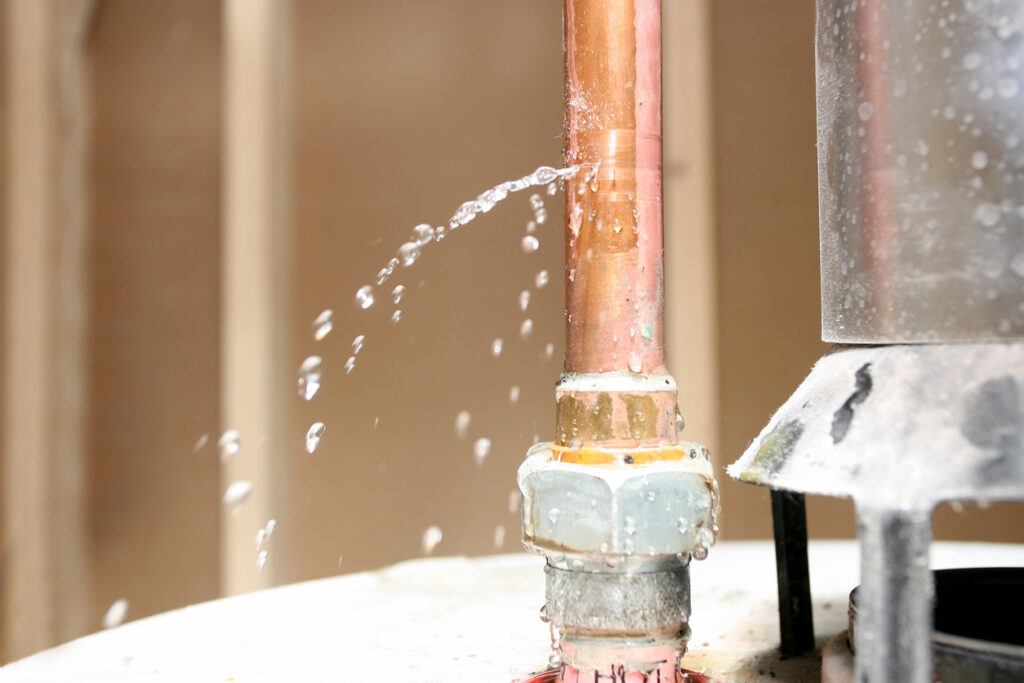
Leaky pipes can cause extensive damage if not addressed quickly. The leaks are often caused by corrosion, worn-out seals, joint damage, or high water pressure. Over time, even a small leak can damage walls, floors, and ceilings, leading to dampness, mould growth, and structural issues. Sunderland’s colder winters can also contribute to pipe damage, increasing the risk of leaks.
Quick Fix:
For a temporary fix, use epoxy putty to seal small leaks. Ensure the area around the leak is completely dry, then mould the putty over the crack or hole. Once hardened, the putty will form a waterproof seal. For leaks under the sink, tightening loose pipe joints with a wrench may also solve the problem.
Preventative Tip:
Check for signs of corrosion and have pipes inspected regularly, especially in older properties. Installing a pressure regulator can help prevent leaks caused by high water pressure. For more serious leaks or if pipes show signs of rust, consult a qualified plumber for repairs or replacement.
3. Low Water Pressure
Problem:
Low water pressure is frustrating and can make simple tasks like showering or washing dishes a hassle. Common causes include mineral buildup in pipes, hidden leaks, partially closed valves, or problems with the main water supply. In Sunderland, mineral deposits from hard water are a common reason for reduced pressure.
Quick Fix:
Start by removing and cleaning tap aerators; soaking them in vinegar overnight will dissolve mineral buildup. If water pressure remains low, inspect for leaks in visible pipes. Also, check the stop tap inside the property to ensure it’s fully open. If these steps don’t resolve the issue, there may be a larger supply issue that requires professional help.
Preventative Tip:
Consider installing a water softener to reduce mineral deposits. If low pressure affects multiple taps, contact your water supplier to check for external issues. Routine plumbing inspections can help spot small leaks before they become bigger problems.

4. Running Toilets
Problem:
A toilet that runs continuously is more than just an annoyance; it can waste hundreds of litres of water daily, increasing your water bill. The most common cause is a faulty flapper valve that fails to create a proper seal, allowing water to leak from the tank into the bowl. Other issues include a misaligned float or worn-out fill valve.
Quick Fix:
First, turn off the water supply to the toilet. Flush to empty the tank, then examine the flapper valve at the bottom. If it’s worn or cracked, replacing it is straightforward and inexpensive. Flapper valve kits are widely available at DIY stores. Adjusting the float arm or chain can also stop the toilet from running.
Preventative Tip:
Regularly inspect toilet components for wear. Avoid using chemical toilet cleaners in the tank, as these can damage rubber parts. If a new flapper doesn’t solve the problem, there may be an issue with the flush valve or fill valve that requires a plumber.

5. Frozen Pipes
Problem:
With Sunderland’s cold winters, frozen pipes are a serious concern. When water freezes inside pipes, it expands, which can cause pipes to burst. This leads to extensive water damage and expensive repairs. Outdoor pipes, loft pipes, and those running along exterior walls are especially vulnerable.
Quick Fix:
If you suspect a pipe has frozen, turn off the water supply immediately to prevent flooding in case of a burst. Gently thaw the pipe using a hairdryer, starting at the tap end and moving towards the frozen section. Never use an open flame.
Preventative Tip:
Insulate exposed pipes with foam pipe insulation or insulating tape. Keep loft spaces warm by insulating the loft itself and leaving the hatch open slightly during cold snaps to let warm air circulate. For outdoor taps, fit tap jackets to prevent freezing. Letting taps drip slightly during extreme cold can also prevent pressure buildup.

6. Faulty Boiler
Problem:
A faulty boiler can leave homes without heating and hot water, which is especially problematic during Sunderland’s colder months. Common boiler issues include loss of pressure, thermostat malfunctions, frozen condensate pipes, or pilot light failures.
Quick Fix:
Check the boiler’s pressure gauge; it should be between 1 and 2 bars. If the pressure is low, refer to the manufacturer’s guide on re-pressurising the boiler. Also, ensure the thermostat is set correctly, and the timer hasn’t reset after a power cut. If the condensate pipe is frozen, thaw it with warm water.
Preventative Tip:
Annual servicing by a Gas Safe registered engineer is crucial. Bleeding radiators regularly ensures the heating system runs efficiently. If your boiler is old and frequently breaking down, consider installing a newer, energy-efficient model that’s cheaper to run and more reliable. You can also call an expert for boiler repairs.

7. Clogged Showerheads
Problem:
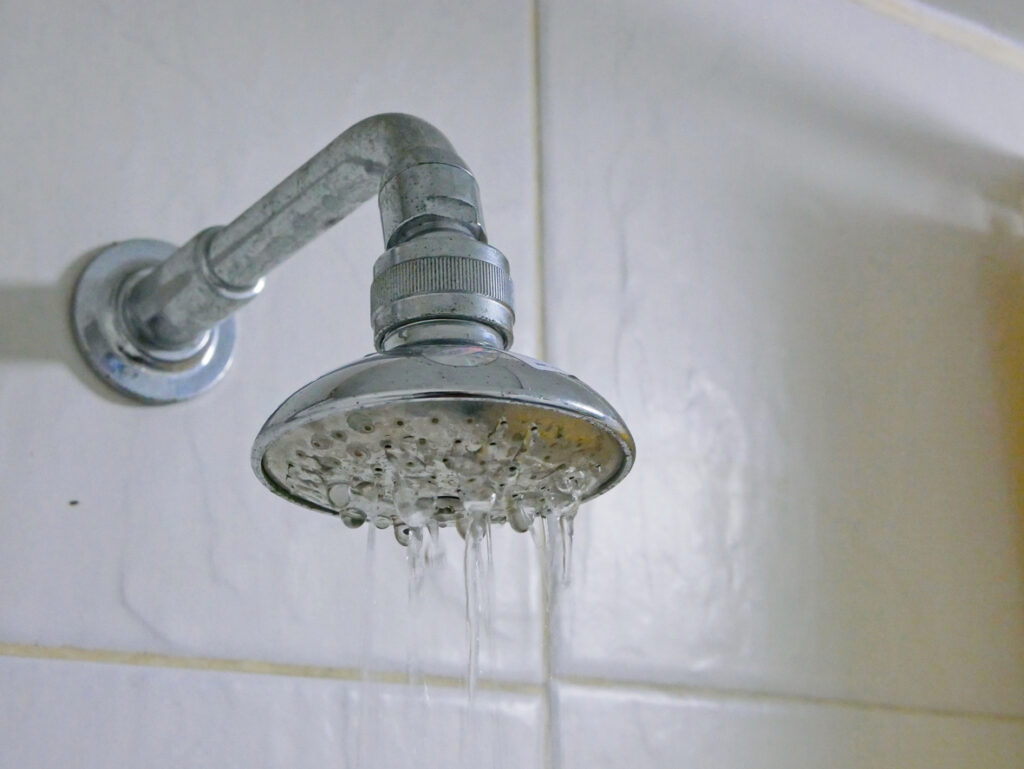
Clogged showerheads are a common problem in Sunderland due to hard water, which leaves behind mineral deposits. This reduces water flow and affects the shower’s performance.
Quick Fix:
Remove the showerhead and soak it in a solution of equal parts white vinegar and warm water for several hours. After soaking, scrub any remaining deposits with a soft brush before rinsing thoroughly and reattaching. If your showerhead has rubber nozzles, rubbing them with your fingers can dislodge limescale.
Preventative Tip:
Regular cleaning prevents mineral buildup. If hard water is a recurring issue, a water softener system can help. Choosing a showerhead designed to resist limescale buildup can also reduce maintenance.
Final Thoughts
Plumbing issues are a part of homeownership, especially in areas like Sunderland, where weather and older homes add extra challenges. Knowing how to handle these common problems and when to call in a professional can save money and prevent further damage.
While many fixes, like clearing blocked drains or cleaning a showerhead, are simple enough to do yourself, more serious issues like frozen pipes or faulty boilers should always be handled by qualified tradespeople. Regular maintenance, quick repairs, and a proactive approach will keep your home’s plumbing running smoothly all year round.