Winter can be a challenging time for homeowners in Durham, especially when it comes to plumbing. Cold weather brings the risk of frozen pipes, water heater issues, and potential plumbing emergencies that can cause costly damage if not addressed in time. With a little preparation, you can avoid most of these problems.
Whether you require a quick fix, or a large-scale plumbing problem, David Liddle Plumbing & Heating are here to help. We provide various plumbing services throughout Durham and the surrounding areas of the North East, and we have built up a reputation for being both reliable, and affordable. For more information, get in touch with our team now and receive a FREE quote for our services.
How Does Winter Affect Plumbing?
During winter, temperature drops can have significant effects on your home’s plumbing system. Cold weather brings a variety of challenges, and if left unaddressed, they can lead to costly repairs. As professional plumbing and heating experts some of the most common plumbing issues we see arise in winter include:
Freezing Pipes: When water inside pipes freezes, it expands and can cause the pipes to burst, leading to potential water damage.
Water Heater Strain: Cold temperatures force water heaters to work harder, which can reduce their efficiency or lead to breakdowns.
Outdoor Plumbing Risks: Hoses, tapa, and other outdoor fixtures are vulnerable to freezing and can be damaged if not properly prepared for winter.
Understanding how cold weather impacts your plumbing is essential for preventing these common issues and avoiding unexpected and expensive plumbing repairs during winter. If you want to keep your plumbing operating as it should during the cold winter months, keep reading our checklist for homeowners now.
Inspect & Insulate Pipes
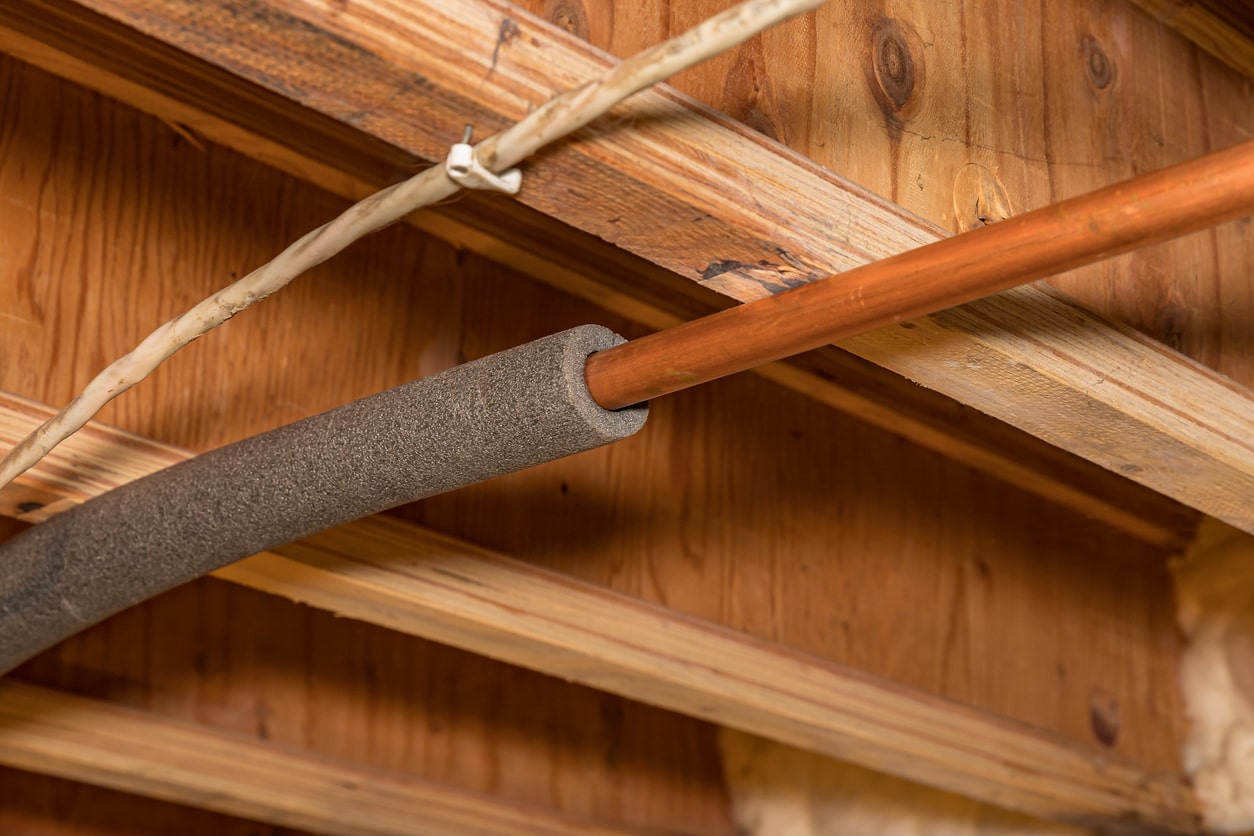
One of the most effective ways to protect your plumbing during winter is by inspecting and insulating your pipes. Start by checking any exposed pipes in unheated areas such as outdoors, or in your loft. These are the most vulnerable to freezing.
Insulate pipes using foam pipe insulation or heating tape, which helps keep the temperature of the water inside the pipes from dropping too low. Pay special attention to pipes located near exterior walls or windows where the cold can easily seep through. Proper pipe insulation can save you from the significant expense of dealing with one of them bursting.
Check Water Heaters
Water heaters are essential for staying warm and comfortable during the winter months, but they also work harder during this season. To ensure your water heater is functioning properly, consider having it inspected by a professional before the cold sets in.
Check for any signs of corrosion, leaks, or strange noises that could indicate underlying issues. You can also flush the water heater to remove sediment buildup, which can reduce efficiency and cause the heater to overheat. During warmer months, it’s always advised to keep your heating on, but at a lower temperature to avoid long periods of inactivity.
Preparation for Outdoor Plumbing
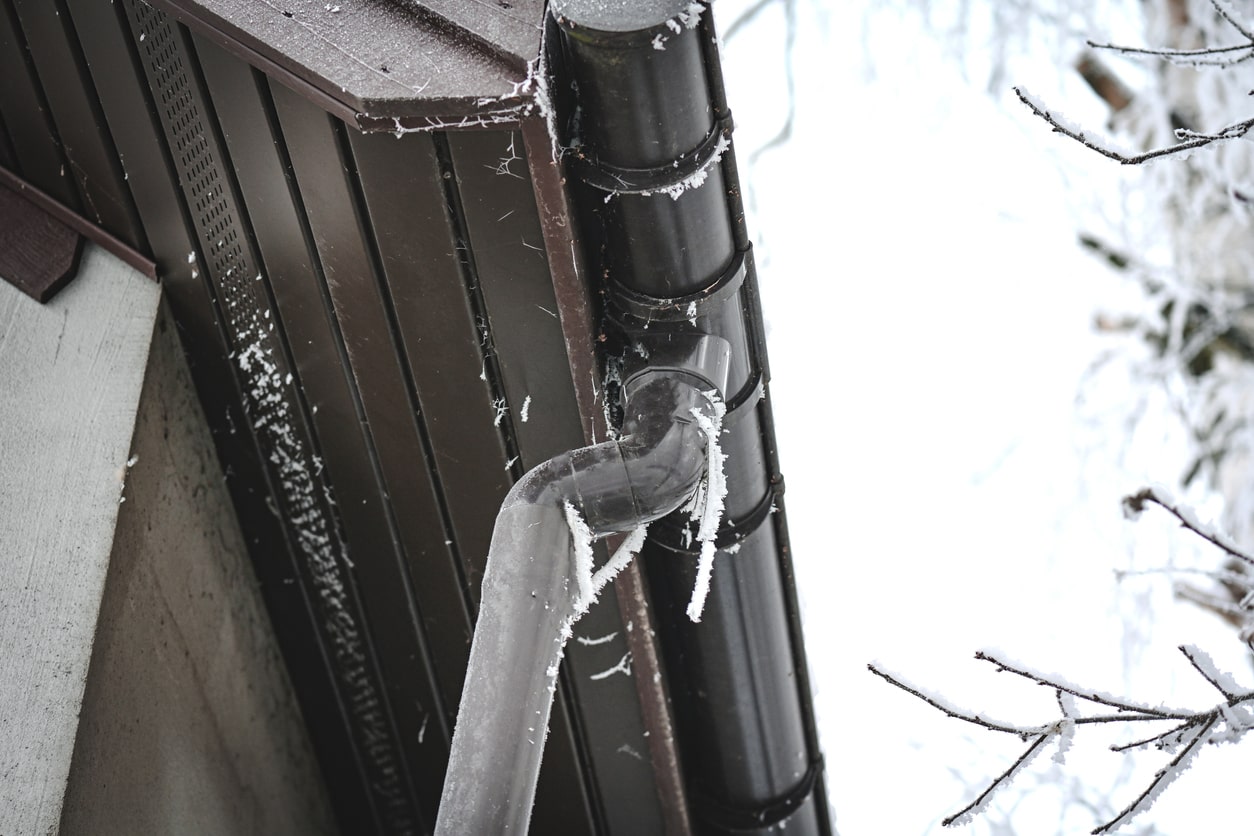
Outdoor plumbing is often overlooked during winter preparation, but it’s just as important to protect it from freezing. Begin by disconnecting garden hoses and draining outdoor water sources. Leaving hoses connected during freezing temperatures can cause ice to form inside, which can damage the connector or lead to leaks.
For outdoor pipes, refer back to point one and ensure they are properly insulated to prevent the water running through them from getting too cold. A burst pipe is never convenient, but in the middle of winter it can be a disaster, so ensure your pipes and other outdoor plumbing accessories are properly prepared to handle freezing temperatures.
Know How to Shut Off the Water
In case of an emergency, such as a burst pipe, it’s essential to know how to quickly shut off the water supply. Locate the main water shut-off valve in your home and make sure it’s accessible. It’s usually located near the water metre or where the main water line enters the house.
Once you’ve identified the shut-off valve, test it to ensure it works smoothly. This simple step can prevent flooding and minimise water damage if a plumbing emergency arises. It’s also a good idea to let all members of your household know where the shut-off valve is located and how to use it, especially if you’re not home when a problem occurs.
Need a plumber in Durham? Choose David Liddle Plumbing & Heating
If you require the services of a professional plumber in Durham, David Liddle Plumbing & Heating are here to help! Arrange our services for yourself, and if you’re looking for any other assistance, we also offer boiler installations, servicing, and repairs. Get in touch now for a FREE estimate.
Want to know why regular boiler servicing is essential for Durham residents? Check out our blog now!